

Seeking answers to your questions.
What a 1:1 Breathwork Session Looks Like
This work is not rushed. I often support clients over time, allowing the body and nervous system to gradually unwind layers and move toward greater balance and harmony.

Understand the process
Conversation
30 min
We begin with a conversation
This is a space to check in with what's present in your life, notice any themes that are emerging, and orient you to the breathwork practice. I will talk through what to expect and how the journey will unfold, so you feel informed and supported before we begin.
Journey
60 min
We move into the breathwork journey
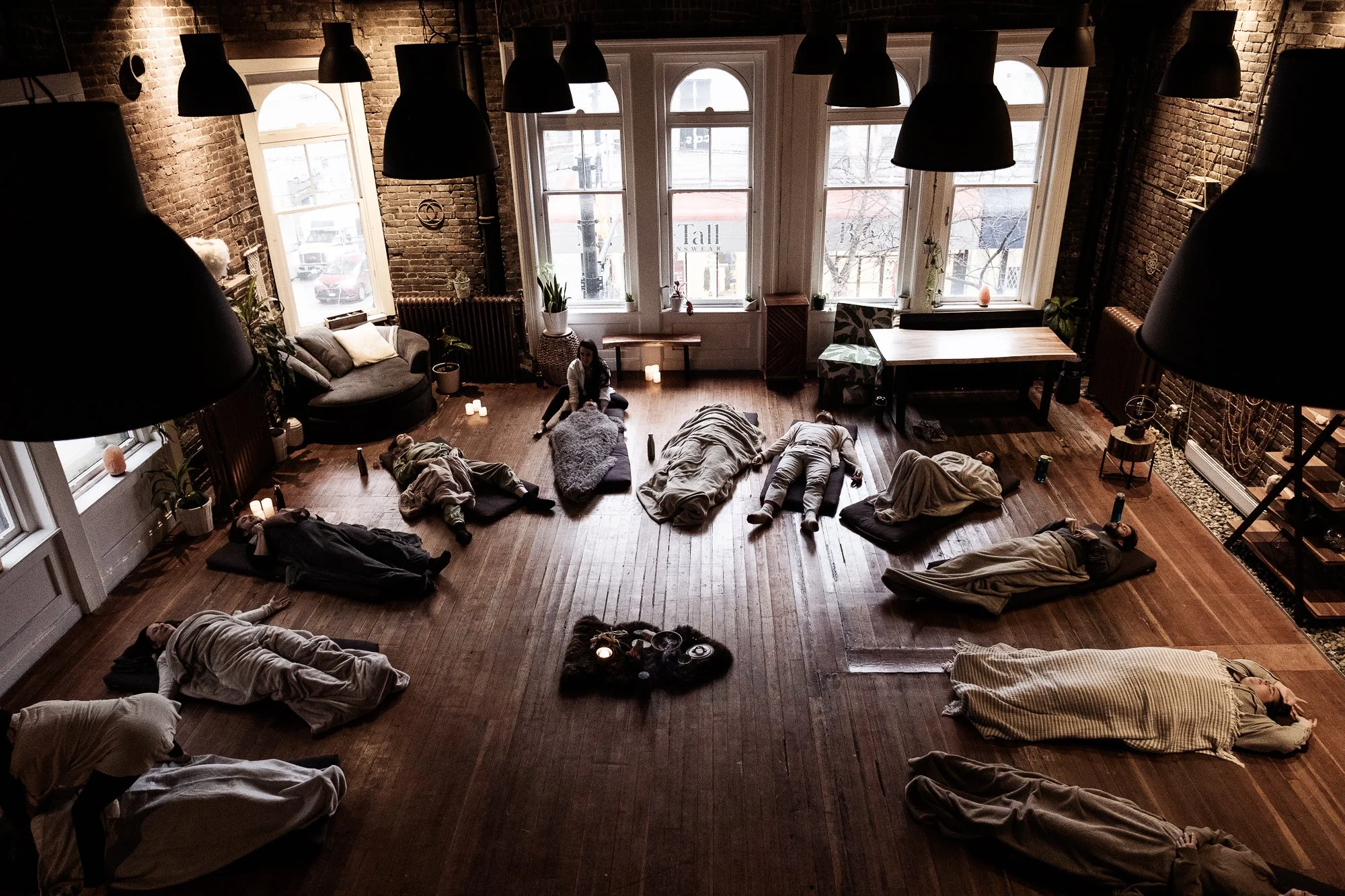
You'll be lying down comfortably on a mat with blankets and pillows, eyes closed, guided by my voice and grounding music. The breathwork is done at your own pace, with options to slow down or adjust at any time. For in-person sessions, gentle bodywork may be offered for those who desire additional support.
Integration
30 min
We close with integration
After the journey, we take time to unpack and integrate what came through - emotionally, physically, or energetically - so the experience can settle and be carried into your life with more clarity and ease.
Your breath already knows the way
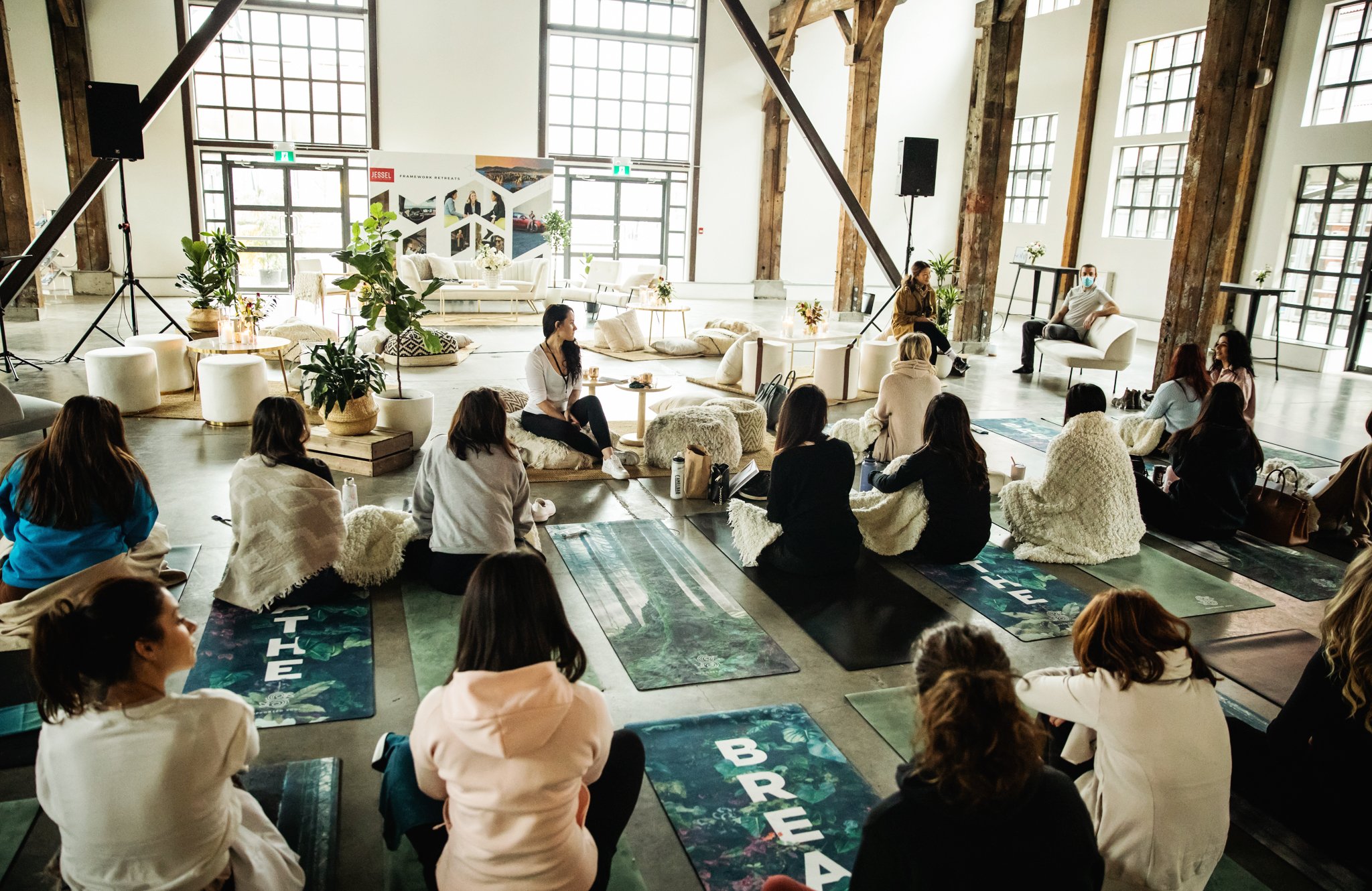
While breathwork is a powerful tool for ongoing nervous system regulation and emotional processing, group medicine ceremonies offer something different.
They allow for deeper immersion, collective resonance, and a shared ceremonial field that can bring insight, clarity, and reorganization at a soul level through yours and others experiences.

Marking major life transitions or thresholds
Releasing patterns that feel ready to move on a deeper level
Gaining perspective beyond the individual story
Feeling held within something larger than oneself
Deep integration through shared experience
The group field can amplify healing while still honoring each person’s individual process, and it allows for a kind of witnessing that’s deeply relational.
Being seen, held, and met by others, without needing to explain or perform, often creates the conditions for things to finally move. Many wounds don’t close in isolation; they need presence, reflection, and shared humanity.
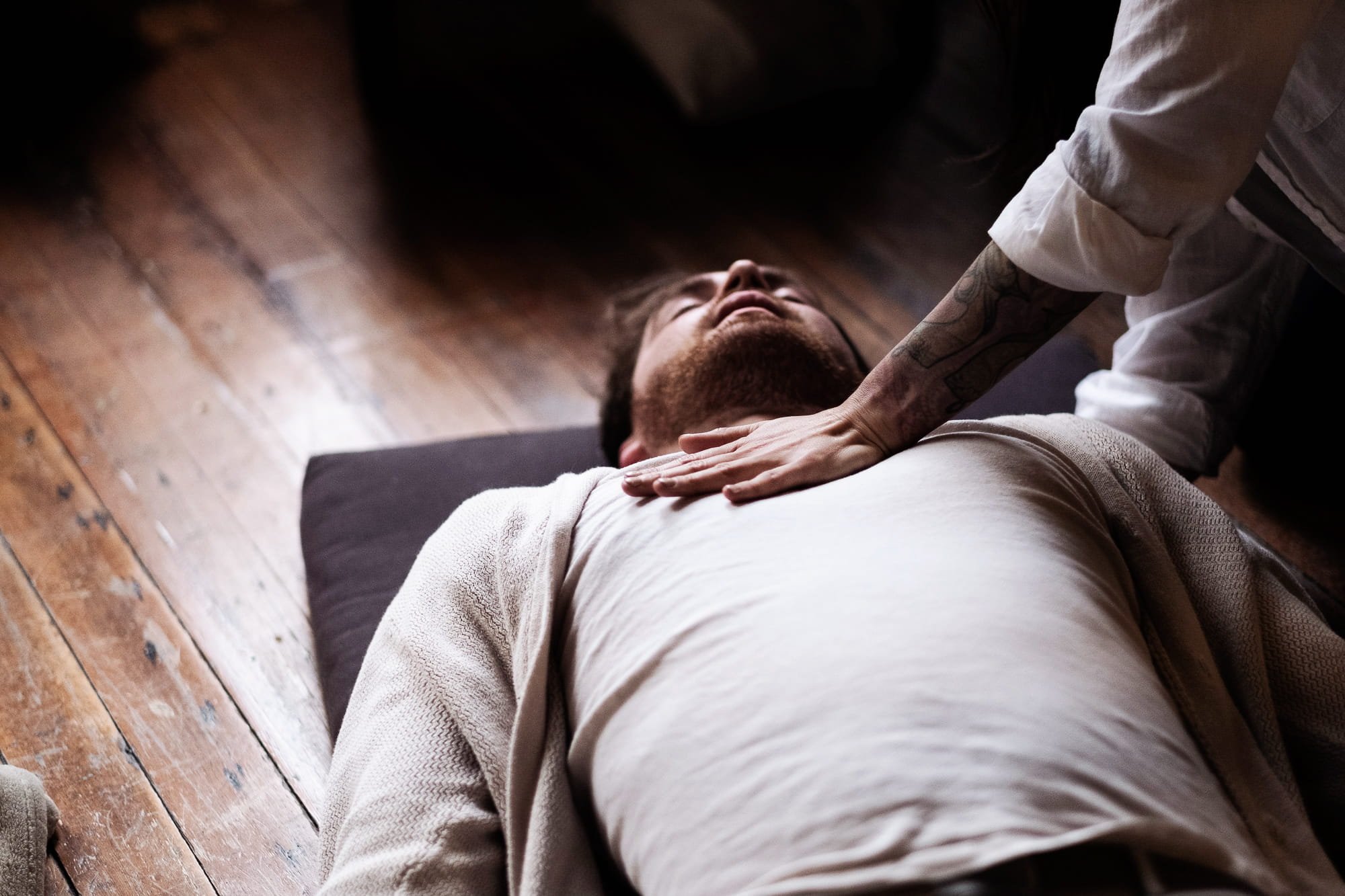
Vulnerability itself becomes medicine, allowing old loops to complete and new stories to take shape.

For those who need more quiet, solitude, or inward focus, 1:1 medicine work offers a different kind of support. These sessions include a personal recording and spacious time for integration on the land, making them especially supportive for people who want to go deeply within themselves, process privately, and move at their own pace.
It’s completely natural to feel some hesitation around group ceremonies. Many people wonder how it will feel to be vulnerable in a shared space, or whether they’ll have the privacy and support they need.
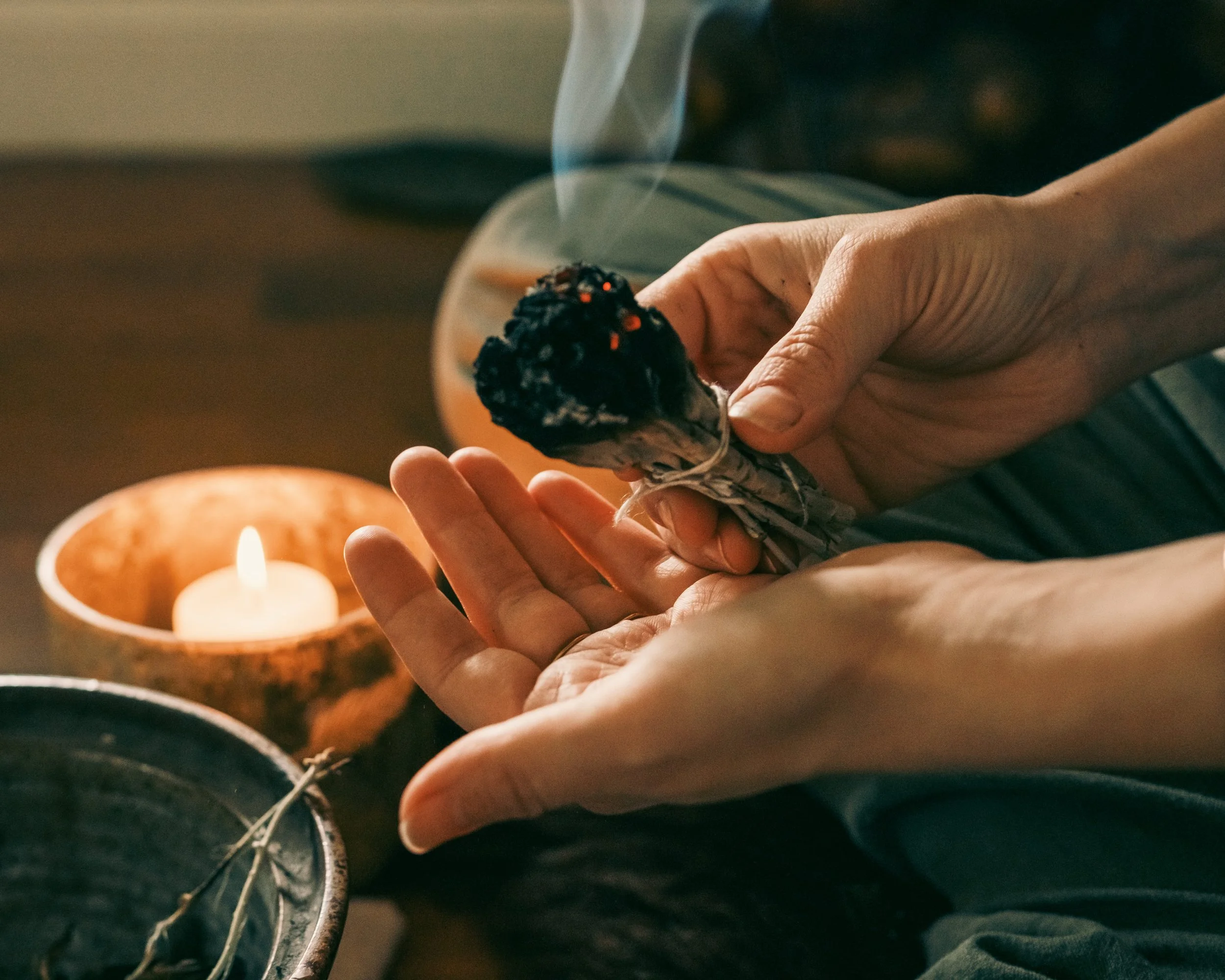
There is space for both connection and solitude.
My approach to group work is designed to meet concerns with care.
You’re welcome to engage with the group when it feels supportive, and to take inward, quiet space when that’s what your body needs. Throughout the ceremony, there is room for individual pacing, personal boundaries, and nervous system awareness.
I hold these gatherings with close attention to both the collective field and individual needs.
Support is available throughout, whether that looks like gentle guidance, quiet presence, or one-on-one support when needed. The container is flexible, responsive, and grounded in safety.
FAQ
-
For breathwork, no. For medicine work, yes. Before entering into 1:1 medicine work, I require that we work together in at least one breathwork session first. This allows us to build relationship, understand your nervous system, and ensure the container feels safe, supportive, and aligned before moving into medicine work.
-
No, this work is not covered under extended health benefits.
-
For all group gatherings, I recommend bringing:
A blanket
A pillow
A water bottle
A journal
Any comfort items you enjoy (stones, objects to hold, etc.)
For all group and 1:1 sessions, mats are provided.
-
For breathwork sessions, it’s supportive to:
Keep the day as open and spacious as possible
Avoid eating 2–3 hours before the session
Ensure you have the evening free afterward
Wear comfortable clothing (makeup-free is best)
You don’t need to arrive with anything figured out. Simply come noticing where you are in life and what’s been present for you. Intentions can be gently explored together once you arrive.
For Medicine Work, we give you a full PDF on how to prepare weeks in advance. We discuss and plan in our preparation call and ensure you have all you need to arrive ready and grounded. -
After sessions or ceremonies, it’s important to give your body time to settle and integrate. Emotional and nervous system shifts can continue unfolding afterward.
Supportive aftercare includes:
Keeping the evening free
Gentle time in nature
Journaling
Epsom salt baths
Whole, nourishing foods
Limiting phone use and work
Avoiding substances that may interfere with integration
You’ll receive an aftercare card following your experience, and we’ll also talk through aftercare together before you leave.